
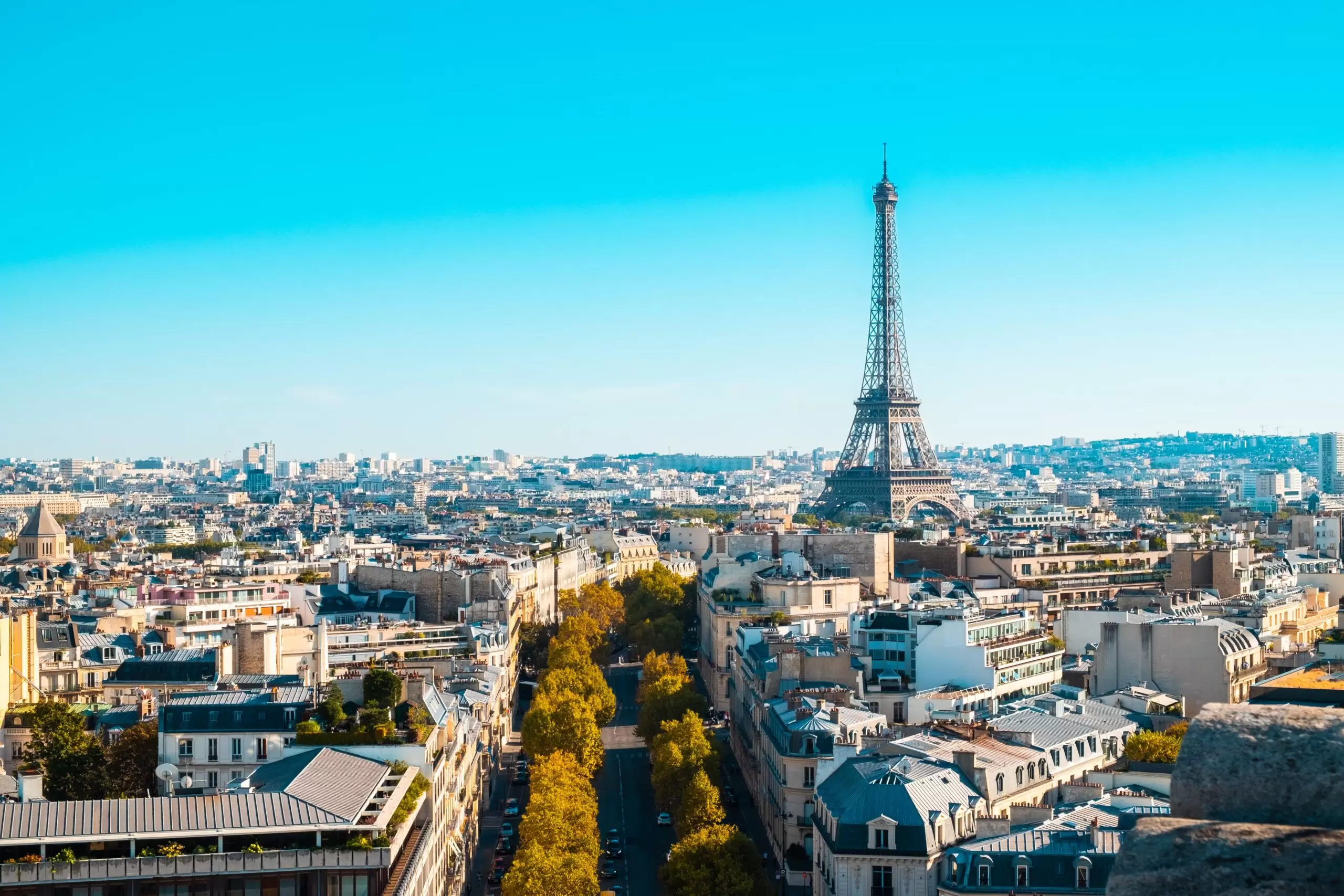
The Paris real estate market is as complex as it is rich. With its 20 arrondissements arranged in a spiral from the city center, Paris offers a wide variety of properties, lifestyles, and price points. Whether you’re looking to invest, settle, or simply understand market trends, each arrondissement has its own personality.
Central Arrondissements (1st to 4th): Heritage and Prestige
These historic districts are home to monuments, museums, and institutions. Highly sought-after but with limited housing, they feature character-filled properties with period architecture, high ceilings, and unobstructed views. Prices often exceed €13,000 per square meter, making this area ideal for secondary residences or long-term investments.
The Left Bank (5th, 6th, 7th): Intellectual Elegance
The Latin Quarter, Saint-Germain-des-Prés, and the area around the Eiffel Tower are among the most prestigious in the capital. These neighborhoods combine historic charm, elite schools, and a strong cultural identity. Prices are high, but demand remains strong—particularly for smaller units appealing to students or investors.
Western Paris (8th, 16th, 17th): Classic and Stable
Known for their residential character, these districts attract a family-oriented and international clientele. With elegant Haussmann buildings, embassies, and major avenues, the area maintains long-term appeal. The 17th, especially around Batignolles, has seen increased interest due to new developments and a younger demographic.
Eastern Paris (10th to 12th, 19th, 20th): Rapidly Evolving
Historically more affordable, these neighborhoods are experiencing rapid price growth. The 11th and 12th arrondissements offer a great balance between quality of life and price accessibility. The 20th is popular among first-time buyers and investors seeking higher rental yields. Large urban renewal projects and new developments are transforming the landscape.
Transition Districts (13th, 14th, 15th, 18th): Diverse and Expansive
These large, varied arrondissements include everything from 1970s-era buildings and modern developments to village-like pockets and gentrifying neighborhoods. The 13th, for instance, blends the energy of the Paris Rive Gauche project with more affordable prices in select areas.
A City of Micro-Markets
Paris can’t be summed up by a single average price per square meter. Each neighborhood, street—even building—has its own dynamics, influenced by lifestyle, transport options, school quality, and future urban projects.
For a successful purchase, it’s best to work with a expert who can uncover hidden opportunities—whether through off-market deals, unique properties, or tax-efficient new developments.