
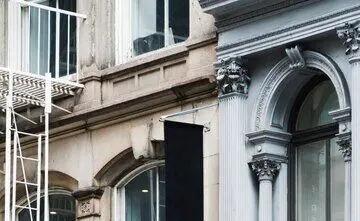
Do you dream of a unique home that combines the character of the old with the comfort of the modern? Property rehabilitation might be the perfect solution for you. By giving new life to old buildings, this approach preserves our heritage while meeting today’s housing needs.
What is property rehabilitation?
Rehabilitation goes beyond simple renovation. It is a process of restoring and modernizing an existing building while preserving its original architectural features. Work can be carried out on the entire structure or focus on specific elements such as facades, floors or installations.
Why choose rehabilitation?
- The charm of the old: Old buildings often offer generous volumes, high ceilings and noble materials that create a unique atmosphere.
- Preservation of heritage: By rehabilitating a building, you contribute to the safeguarding of our architectural and urban heritage.
- A sustainable investment: Rehabilitated homes are often more valued on the real estate market.
- An ecological approach: By giving a second life to an existing building, you reduce your ecological footprint.
The stages of rehabilitation
- Diagnosis: An in-depth study of the building’s condition makes it possible to identify the work to be carried out and to establish a preliminary budget.
- Design: An architect or project manager designs the rehabilitation project taking into account technical and regulatory constraints.
- Work: Rehabilitation work can be carried out by craftsmen specializing in the restoration of old buildings.
- Completion: Once the work is completed, a handover is organized to verify the conformity of the site with the initial project.
The challenges of rehabilitation
- Cost of work: Rehabilitation can be more expensive than new construction due to the specific work related to old buildings.
- Administrative procedures: The necessary authorizations can be numerous and complex, particularly for listed buildings or those located in protected areas.
- Choice of materials: It is important to choose quality materials that respect the building’s aesthetics and offer good thermal and acoustic performance.
The advantages of a rehabilitated home
- Modern comfort: Rehabilitated homes can benefit from all modern comforts (thermal and acoustic insulation, efficient heating, electrical equipment).
- A pleasant living environment: The charm of the old combined with modern comfort creates a unique and warm living environment.
- A long-term investment: The value of a rehabilitated home is generally set to increase over time.